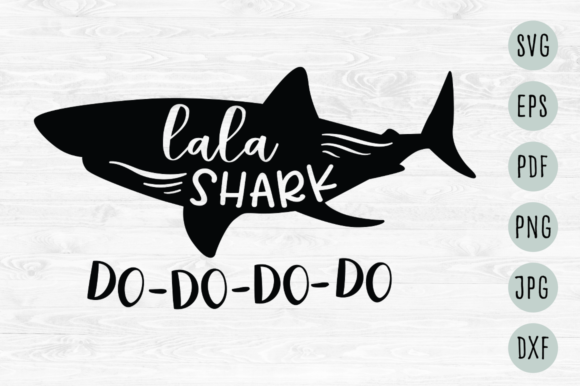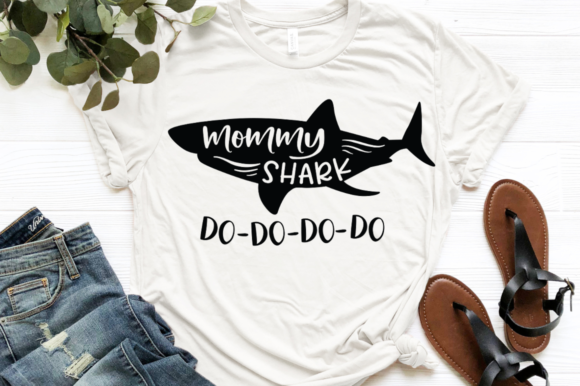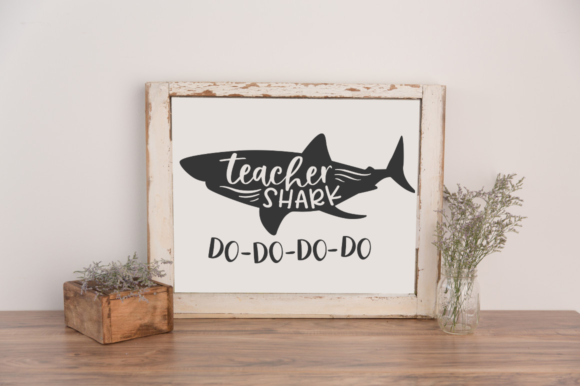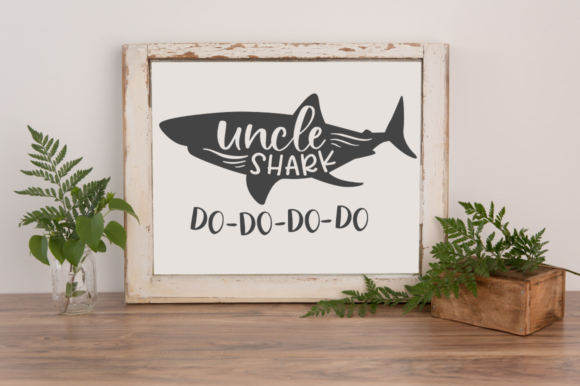
Uncle Shark Do-Do-Do-Do Svg: A Designer's Real-World Review
When I first opened the Uncle Shark Do-Do-Do-Do Svg, my immediate reaction wasn't about the file format or the stitch count. It was about the vibe. There is a specific energy to this design that screams "funny uncle" without trying too hard. As someone who has spent years turning digital graphics into tangible, stitched products for clients and craft fairs, I look past the cute factor to ask: does this actually work on fabric? Can it survive a wash cycle? Will it hold up as a commercial asset?
This isn't just another generic shark graphic; it carries a narrative. The playful repetition in the title suggests rhythm and movement, which translates surprisingly well when you consider how embroidery stitches interact with curves and angles. Whether you are an Etsy seller looking for your next best-seller or a hobbyist preparing a birthday surprise, understanding the practical application of this design is crucial before you ever touch the machine.
The First Stitch: Visual Personality and Mood
The Uncle Shark Do-Do-Do-Do svg exudes a lighthearted, almost mischievous personality. In the world of crafts and graphics, mood is everything. This design feels like it belongs in a casual setting rather than a formal corporate event. The layout is open enough to allow for creative thread choices but detailed enough to maintain visual interest once stitched.
I immediately envisioned this on a custom embroidered tote bag. The bold, simple shapes of the shark would pop against a canvas background, creating a product that feels both handmade and professionally designed. However, the design also works beautifully for smaller items like a baby onesie or a nursery pillow cover. The humor lands well because the character feels approachable. It avoids being overly aggressive or complex, making it a safe bet for gifts where the recipient might have a dry sense of humor.
For small business owners, this is a goldmine for brand consistency. Imagine a boutique selling beachwear or summer accessories. Adding this Fin svg element to their packaging tags or aprons creates a cohesive, recognizable brand identity. It signals that the shop owner doesn't take themselves too seriously, which builds trust and engagement with customers looking for unique, personalized gifts.
Real-Life Application: From Digital File to Finished Product
Let's talk about the actual stitching process. When I reviewed this design for a potential client project involving sweatshirt embroidery, I had to think about how the stitches would behave on a textured surface. Cotton fleece is forgiving, but it can hide fine details if the stitch density is too high. The Uncle Shark Do-Do-Do-Do Svg seems to balance fill stitches and running stitches in a way that should render well on medium-weight fabrics.
One specific scenario comes to mind: a holiday gift for a family member who loves fishing. I imagined placing this design on a kitchen towel or a sturdy apron. The contrast between the bright thread colors and the dark fabric of the apron would make the shark stand out. It transforms a mundane household item into a conversation starter. The design's simplicity ensures that even if the embroidery isn't perfect, the overall aesthetic remains charming rather than sloppy.
For those creating embroidered patches, this design offers a great opportunity. Patches require clean edges and distinct separation between elements. The layout of the Uncle svg appears to have enough negative space to allow for neat satin stitch borders, which are essential for a professional-looking patch. If you plan to sell these as part of a set, perhaps paired with other ocean-themed designs, this piece anchors the collection perfectly.
Where Caution is Key: Fabric and Placement Challenges
While this design is versatile, no single file is a magic bullet for every situation. As an experienced designer, I know that placement matters more than the design itself. Using the Uncle Birthday gift svg on a curved surface like a cap requires careful hooping and stabilization. If the fabric stretches or shifts during stitching, the "Do-Do-Do-Do" text could become distorted, ruining the intended rhythm of the phrase.
Small hoop sizes present another challenge. If you are trying to fit this design onto a tiny baby hat or a miniature patch, you must verify the dimensions carefully. Designs that look good on a computer screen can sometimes lose definition when scaled down too much. The intricate corners of the shark fins might get lost in the stitching process if the resolution isn't high enough or if the stabilizer isn't rigid enough to support the fabric.
Textured fabrics like terry cloth or thick knits can be tricky. While they add character, they can also cause the needle to skip or the threads to break if the design density is too high. For thin fabrics, you will need a strong tear-away or cut-away stabilizer to prevent puckering. Dark fabrics require a different strategy; you might need a backing layer or a specific thread color palette to ensure the design doesn't disappear into the material.
Design Notes for the Serious Maker
Before you commit to producing a batch of these items for your craft business, there are a few technical steps you cannot skip. First and foremost, always test the design on scrap fabric. This is non-negotiable. You need to see how the stitch density behaves on your specific machine and how the threads interact with your chosen fabric. A quick test run can save you hours of frustration and wasted materials.
Thread color selection is critical for the embroidery project's success. High contrast is usually the safest route. If you are using a light-colored shirt, go for dark blues or blacks for the shark outline. If the background is dark, bright whites or yellows will make the design sing. Don't be afraid to experiment with metallic threads for accents, but keep the main body simple to maintain clarity.
Check the licensing terms thoroughly. Since this is a commercial use Cut files product, you need to know exactly what you are allowed to do. Are you permitted to sell finished physical items? Is there a limit on the number of units? Does the license cover digital mockups? These questions are vital for protecting your small shop from legal issues later on.
Finally, inspect the small details. Zoom in on the file and look for any jagged lines or missing points that might cause the machine to jump. Ensure the lettering is legible at the size you intend to stitch. Sometimes, fonts that look fine in vector software can become unreadable when converted to embroidery stitches. Comparing light and dark fabric backgrounds in a mockup can give you a preview of the final result before you spend money on thread.
Final Verdict: A Solid Addition to Your Design Library
The Uncle Shark Do-Do-Do-Do Svg is more than just a cute image; it is a functional tool for creators who want to add personality to their products. It strikes a balance between humor and professionalism, making it suitable for everything from a homemade birthday card to a boutique's flagship merchandise line. By understanding its strengths and limitations, you can leverage this design to create high-quality, engaging products that customers will love.
Whether you are a seasoned Etsy seller or a beginner crafter, taking the time to analyze the design's behavior on fabric is the difference between a mediocre product and a standout item. With the right preparation and attention to detail, this design can elevate your handmade product game and bring a smile to anyone who wears or uses it.