Family Coat of Arms Ties at the Back Review
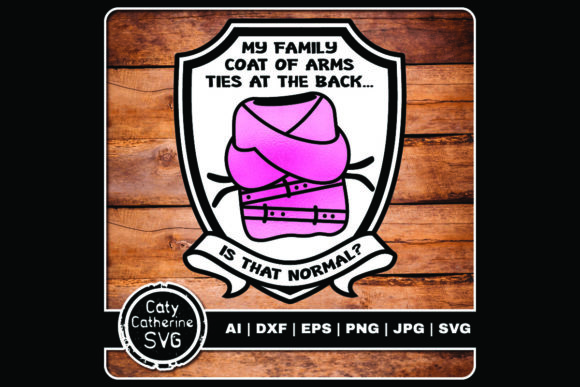
When I first opened the file for Family Coat of Arms Ties at the Back, my initial reaction was a mix of amusement and practical curiosity. As someone who has spent years reviewing embroidery designs for both personal hobbies and commercial ventures, I know that humor in design can be a double-edged sword. It either creates a memorable, shareable moment or it looks tacky when stitched into thread. This specific SVG cut file, designed by Caty Catherine, lands squarely on the side of "memorable." The concept of a family coat of arms presented as a funny straight jacket is bold, slightly rebellious, and undeniably conversation-starting.
The visual personality of this piece is distinct. It isn't just a generic crest; the layout implies a narrative. For an embroidery designer, the immediate question is always: how does this translate from vector to fabric? In a real-world scenario, imagine you are preparing a custom embroidered sweatshirt for a family reunion or a boutique holiday gift collection. You want something that feels personalized but also carries a witty edge. This design fits perfectly there. The text "Ties at the Back" paired with the heraldic imagery suggests a playful take on family heritage, which resonates well with modern buyers who appreciate irony alongside tradition.
Real-World Application: From Digital File to Finished Product
Let's talk about where this design actually shines in a craft business context. I recently considered using this for a series of handmade tote bags intended for Etsy listings. The contrast between the formal structure of a coat of arms and the casual nature of a canvas bag creates an interesting tension that draws the eye. When stitched onto a sturdy cotton tote, the design would serve as a unique branding element for small shop owners looking to stand out in a crowded marketplace.
However, the versatility extends beyond bags. Picture a baby onesie or a nursery pillow cover. The "straight jacket" theme is humorous enough for adults but might need careful consideration for infants. If used on a toddler's outfit, the joke lands differently—it becomes a cute nod to the chaos of raising children rather than a literal restraint. For a kitchen towel or apron in a home-based bakery or craft studio, this design adds a touch of personality that customers love. It transforms a utilitarian item into a statement piece.
The design works exceptionally well for commercial embroidery projects where brand consistency is key. A boutique selling handmade goods could use this as part of a limited edition line. The visual appeal here relies heavily on the balance between the detailed crest elements and the bold typography. If executed correctly, the finished product will have a high perceived value, making it a great candidate for gift-giving during holidays or special occasions like weddings and anniversaries.
Technical Considerations and Stitching Challenges
While the concept is strong, every experienced designer knows that the devil is in the details. Before committing to a full production run, one must evaluate the stitch density and the complexity of the shapes involved. A coat of arms typically contains intricate lines and small details that can get lost if the stitch density is too high or the hoop size is too small. If the design includes fine lettering or tiny decorative accents within the shield, these areas might blur together on certain fabrics.
Fabric choice is critical. This design requires a stable base. On stretchy fabrics like jersey knits, the tension required for the satin stitches might cause puckering, ruining the crisp look of the "coat of arms." Similarly, textured fabrics like heavy wool or bouclé can hide the finer points of the design, making the "straight jacket" tie-up less visible. For best results, I recommend testing on mid-weight cotton twill or denim, where the threads can lay flat and the colors pop.
There are also limitations regarding color contrast. If you plan to embroider this on dark fabric, you will need to ensure the thread colors chosen provide sufficient contrast against the background. A light-colored crest on a black shirt might wash out unless you use a generous underlay or a specific thread type. Conversely, on light fabrics, the darker elements of the design need to be deep enough to register clearly. Always review the thread colors in your digital preview before cutting any fabric.
Navigating Small Spaces and Curved Surfaces
If you are planning to adapt this design for smaller items like caps, patches, or baby clothes, the hoop size becomes a major factor. Embroidery machines often struggle with very small hoops, especially when dealing with complex shapes that require multiple color changes. A curved surface like a baseball cap can distort the geometry of the crest, potentially making the "ties at the back" text difficult to read if the angle isn't perfect.
For embroidered patches, this design offers a lot of potential due to its self-contained nature. However, you must ensure that the edges are clean and that the design doesn't rely on tiny corners that might fray after washing. If you intend to sell these as finished products, durability is paramount. Frequent washing can degrade the integrity of the stitches, so using proper stabilizers and reinforcing the edges is non-negotiable.
Practical Advice for Designers and Sellers
Before you start stitching, take a moment to test the design on scrap fabric. This simple step can save you hours of rework and wasted materials. Check the stabilizer compatibility; some designs require cut-away stabilizers to maintain their shape over time, while others might work with tear-away depending on the fabric weight. Inspect the small details closely—sometimes what looks good on a screen appears pixelated or jagged once stitched.
It is also wise to create black and white mockups to see how the design holds up without the distraction of color. This helps you judge the balance of fill stitches versus running stitches. Does the design feel too heavy in one area? Is there enough negative space to let the eye rest? These questions determine whether the final product looks professional or cluttered.
For those selling on platforms like Etsy or running a craft fair booth, presentation matters. Use printable mockups that showcase the design on various products, from aprons to sweatshirts. This helps customers visualize the finished product and increases engagement. Remember to confirm the licensing terms provided by the designer, Caty Catherine, to ensure you are allowed to sell physical items made from this digital embroidery file. Commercial rights vary, and understanding them protects your business from legal issues.
In conclusion, Family Coat of Arms Ties at the Back is more than just a novelty graphic; it is a versatile asset for anyone looking to add a touch of wit and personality to their handmade product line. Whether you are creating a personalized gift for a friend or building a brand around quirky, family-themed apparel, this design offers a solid foundation. Just remember to respect the technical limitations of embroidery, choose your fabrics wisely, and always prioritize quality control. When done right, this design can turn a simple piece of clothing into a cherished keepsake that tells a story—and makes people smile.