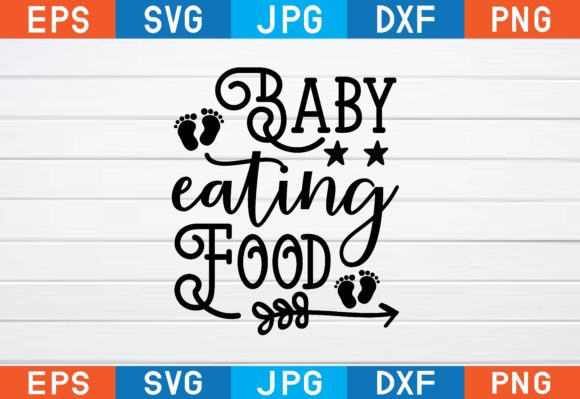
Baby Eating Food Svg: A Designer’s Review for Embroidery Projects
As a designer who spends more time than I care to admit staring at stitch patterns and debating thread choices, I don’t just buy digital files—I evaluate them. When I see a product like the Baby Eating Food Svg, my first instinct isn’t just to look at the cute factor (though that is certainly present). My mind immediately goes to execution. How will this translate from a flat vector into three-dimensional thread? Will it hold up on a cotton onesie? Is it too detailed for a quick weekend craft project? And most importantly, does it have the commercial viability for an Etsy shop or boutique brand?
This review breaks down the practical realities of using this design in real-world embroidery projects, focusing on visual appeal, technical feasibility, and market potential.
First Impressions: Mood and Visual Personality
The immediate vibe of the Baby Eating Food Svg is one of wholesome, messy joy. It captures that universal moment of childhood discovery where food becomes a medium for play rather than just nutrition. From a design perspective, this is a strong hook. It feels approachable, relatable, and inherently "gift-able." The layout appears to center on the character, which suggests a focal point that works well for chest placements on apparel or centered motifs on home goods.
However, as with any graphics file converted into a machine embroidery design, the devil is in the details. The mood relies heavily on how the artist interpreted the facial expression and the food items. If the lines are clean and the shapes distinct, the design has high recognition value. If the details are too intricate, we risk losing that charm during the digitizing process. For a handmade product, emotional resonance is key, and this theme delivers that instantly. It screams "nursery decor," "baby shower gift," or "first birthday milestone."
Real-World Application: Where This Design Shines
I’ve tested various themes over the years, and certain designs naturally find their home in specific categories. Here is where I see the Baby Eating Food Svg performing best in actual production environments:
- Custom Apparel & Baby Clothes: This is the obvious winner. Imagine this stitched onto a soft organic cotton onesie or a baby bodysuit. The contrast between the delicate fabric and the playful design creates a professional finish. It works beautifully as a sweatshirt embroidery piece for older toddlers as well, perhaps on a hoodie pocket.
- Tote Bags and Market Totes: A tote bag design featuring this motif adds a personal touch to everyday carry items. Parents love functional bags that also tell a story. The durability of canvas pairs well with sturdy embroidery stitches, making this a great item for a craft business inventory.
- Nursery Decor and Home Goods: Think pillow covers, tea towels, or even a small wall hanging. The whimsical nature of a baby eating fits perfectly in a nursery setting. It adds warmth without being overly gendered, making it versatile for any parent.
- Holiday and Gift Items: During holiday seasons, personalized gifts sell exceptionally well. This design could be adapted for Christmas ornaments, holiday cards (via printable mockups), or as part of a larger themed set. It serves as a perfect personalized gift for new grandparents or parents.
- Commercial Embroidery Projects: For Etsy sellers and small shop owners, this design offers broad appeal. It’s not niche enough to limit your audience but specific enough to stand out in search results. It fits seamlessly into a catalog of digital embroidery file assets aimed at other makers.
Technical Considerations and Potential Pitfalls
While the concept is strong, every embroidery project comes with technical challenges. Here is what you need to watch out for when integrating this embroidery file into your workflow.
Detail Level and Stitch Density
If the original SVG contains tiny text or extremely fine lines, you must be cautious. Small details can get lost in the stitching, especially if you are using a standard satin stitch. I recommend checking the stitch density before committing to a full run. If the design requires dense fills in small areas, it may cause puckering on thin fabrics like muslin or lightweight jersey. Always inspect the small details—like the shape of the food or the baby’s fingers—to ensure they remain distinct after digitizing.
Fabric Compatibility
The choice of fabric significantly impacts the final look. On textured fabrics, such as heavy denim or boucle, the design may lose definition. Thin fabrics require proper stabilizer support to prevent distortion. Stretchy knits, common in baby clothes, need a tear-away or cut-away stabilizer depending on the garment's weight. Dark fabrics might require a underlay stitch or a contrasting background to make the design pop, whereas light fabrics allow the thread colors to shine naturally.
Hoop Size Constraints
Before starting, confirm the hoop size required by the design. If the Baby Eating Food Svg is large, it may not fit comfortably on smaller hoops used for caps or cuffs. Conversely, if it is too small, it might get lost on a large sweatshirt back. Test the design in your software to ensure it scales correctly for your intended finished product.
Strategic Advice for Sellers and Makers
If you are planning to use this design for commercial purposes, there are a few strategic steps to take to maximize its value.
- Test on Scrap Fabric First: Never go straight to the final product. Run a test stitch on the same type of fabric you plan to sell. Check for color bleeding, stitch alignment, and overall clarity.
- Review Thread Color Contrast: Choose thread colors that complement the design’s mood. Pastels work well for a soft, baby-focused look, while bold primary colors can create a playful, energetic vibe. Ensure there is enough contrast between the thread and the fabric for readability.
- Check Licensing Terms: Before selling finished items, verify the license agreement. Some digital products allow commercial use of the physical output, while others restrict resale. Confirm whether you can sell unlimited quantities or if there are caps on production runs.
- Create Professional Mockups: Use high-quality images to showcase the design. A printable mockup helps customers visualize the end result. Show the design on different garments and backgrounds to highlight its versatility.
- Consider Variations: Can you offer this design in different sizes? Or as part of a set (e.g., baby eating fruit, baby eating vegetables)? Offering variations can increase the perceived value of your design assets.
Final Verdict
The Baby Eating Food Svg is a charming, commercially viable option for designers looking to add heartwarming content to their portfolio. Its strength lies in its universal appeal and adaptability across various mediums, from custom apparel to home decor. While it requires careful attention to detail, fabric choice, and stabilization, the potential reward is high. It resonates emotionally with buyers, making it a strong candidate for small shop products and boutique branding.
For those willing to put in the pre-production testing, this design can become a staple in your collection of embroidery project ideas. It balances cuteness with professionalism, ensuring that your finished product looks as good as it feels. Just remember to always prioritize quality control and clear communication regarding licensing to build trust with your customers.